
From Science to the Table:
The revolution in table olive growing
This engaging conversation set out to familiarize readers with the work carried out and the results achieved with the “Elviana” table olive cultivar grown at very high density—from the meticulous scientific research led by Prof. Camposeo in collaboration with Agromillora, to the careful know‑how, curing, and packaging performed by the company “Cinquina – Sole d’Abruzzo.”
Activities that only a few years ago seemed impossible now represent the right turning point for the system, with the aim of bringing a genuine, high‑quality, Made‑in‑Italy product to consumers’ tables.
Professor Camposeo, how and when did the improvement program for cultivars suited to very high‑density cultivation begin?
The University of Bari has been working on new cultivation systems for over twenty years, and thanks to research agreements with Agromillora, it has contributed to studying and innovating training systems that allow full mechanization of all cultivation operations—from planting to pruning through to harvesting.
The olive genetic improvement work began several years ago and has borne fruit. In 2017, we filed the patent application for “Lecciana,” the first oil olive cultivar with an Italian parentage suitable for continuous mechanical harvesting. Between 2021 and 2022, we filed a second and a third—“Coriana” and “Elviana”—also suited to very high density, with medium‑low vigor and early bearing.
It’s widely known that very high‑density olive orchards are used exclusively for oil cultivars. How did the idea arise to take on this challenge with table olive cultivars as well?
The frontier of table olives is undoubtedly one of the major new developments in the study of these cultivation systems, which had been focused exclusively on oil cultivars.
When we were given the opportunity to explore this sector—long neglected within Italian olive growing—it was a proposal we simply couldn’t turn down. Table olive growing accounts for a small share of total Italian olive production and, as I’ve always emphasized, it has a very bright future. Italians, heirs to the Romans, are great consumers of table olives, but unfortunately domestic production cannot meet internal demand for a whole host of reasons. One key factor is the lack of assurances that the industry will receive product in the quality and quantities needed to allow curing and packaging companies to reliably meet market demand.
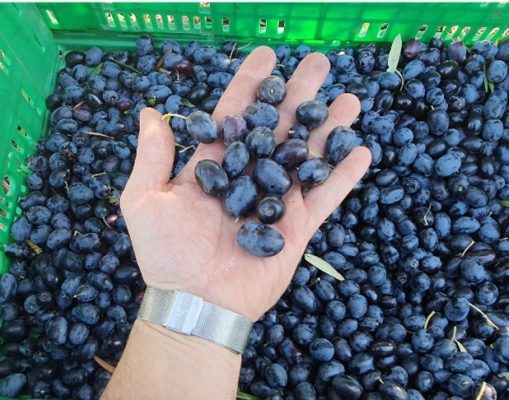
The challenge took shape when, among the varietal selections we were studying, an entrepreneur to whom we had entrusted some pre‑commercial investigations pointed out a cultivar—“Elviana”—that, in addition to yielding an excellent extra virgin olive oil, also showed promising traits for fresh consumption.
Thanks to the expert involvement of Cinquina, we were able to run curing trials for this new product, which delivered very satisfying results. All of this spurred us to continue studying and digging deeper into the agronomic, economic, and even technological aspects of the variety, to the point of filing a patent application as the very first dual‑purpose cultivar suitable for very high‑density cultivation.
Our relationships with the production world at the University of Bari are longstanding and steady, and above all they are a crucial opportunity to apply our knowledge. Thanks to the close collaboration with Agromillora, with Cinquina, and with many other partner companies, this continuous exchange of expertise is possible—benefiting the production sector above all and, of course, the consumer.
So it’s possible to mechanize cultivation practices in table olive orchards? What are the advantages?
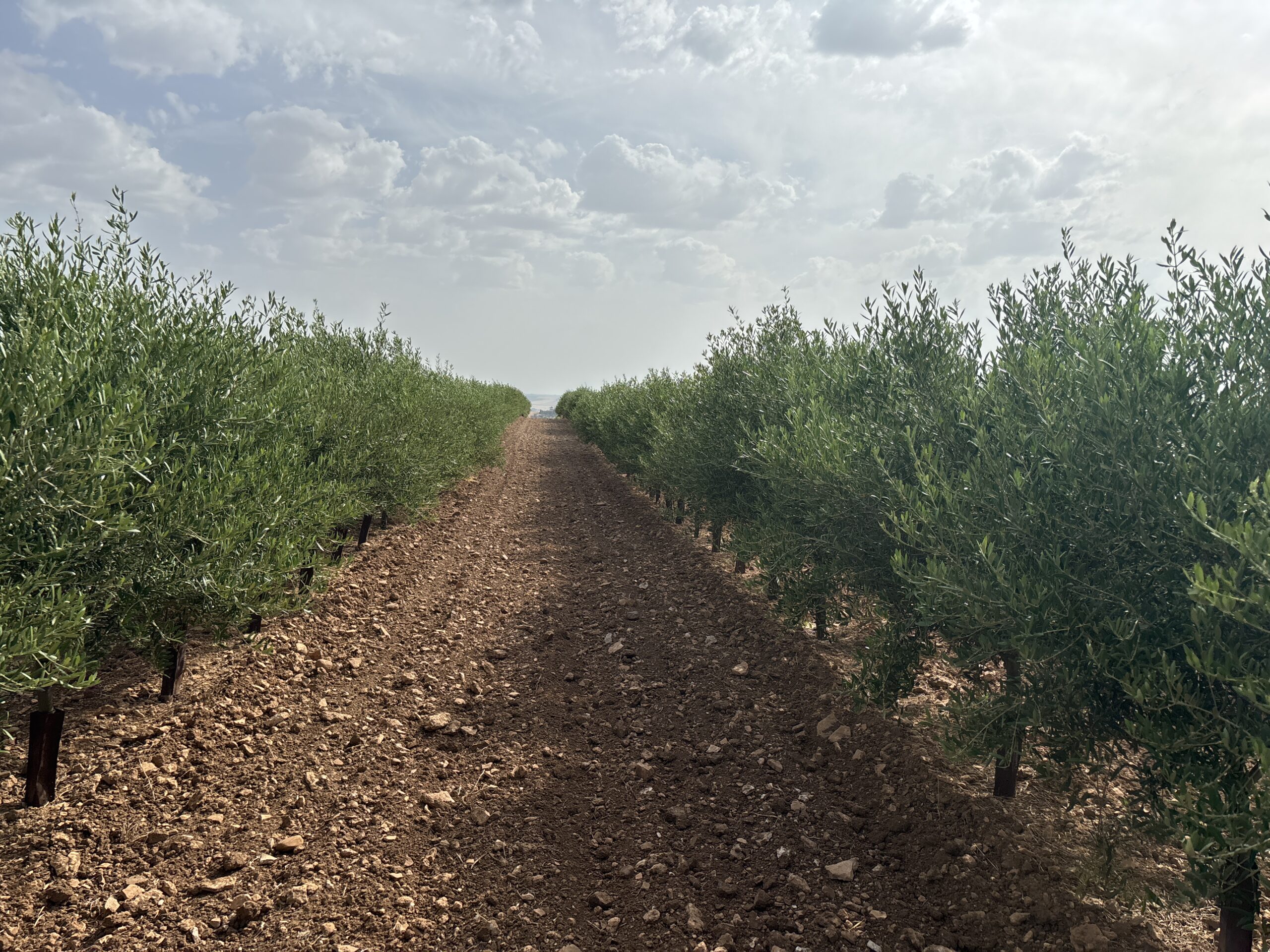
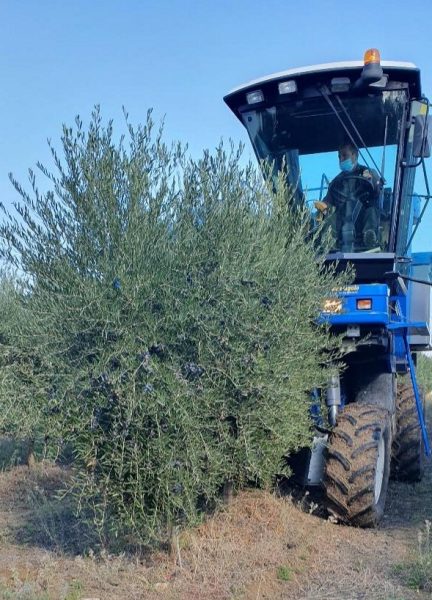
Yes, growing cultivars in very high‑density systems (often called super‑high‑density, SHD) for table olive production is possible. This is an absolute first.
There have been other mechanization experiences, but they were limited to cultivars that do not truly adapt to this cultivation system. With “Elviana,” our goal is to have a genotype that in the field fully matches the ideotype of a low‑vigor cultivar, so it can adapt to continuous mechanical harvesting for enough years to make the farming enterprise attractive and profitable.
This cultivar gives growers the opportunity to produce table olives while significantly reducing production costs. Today, table olives—especially those destined to be cured green or at the “turning color” stage—generally must be harvested by hand because they must not show visible or hidden defects.
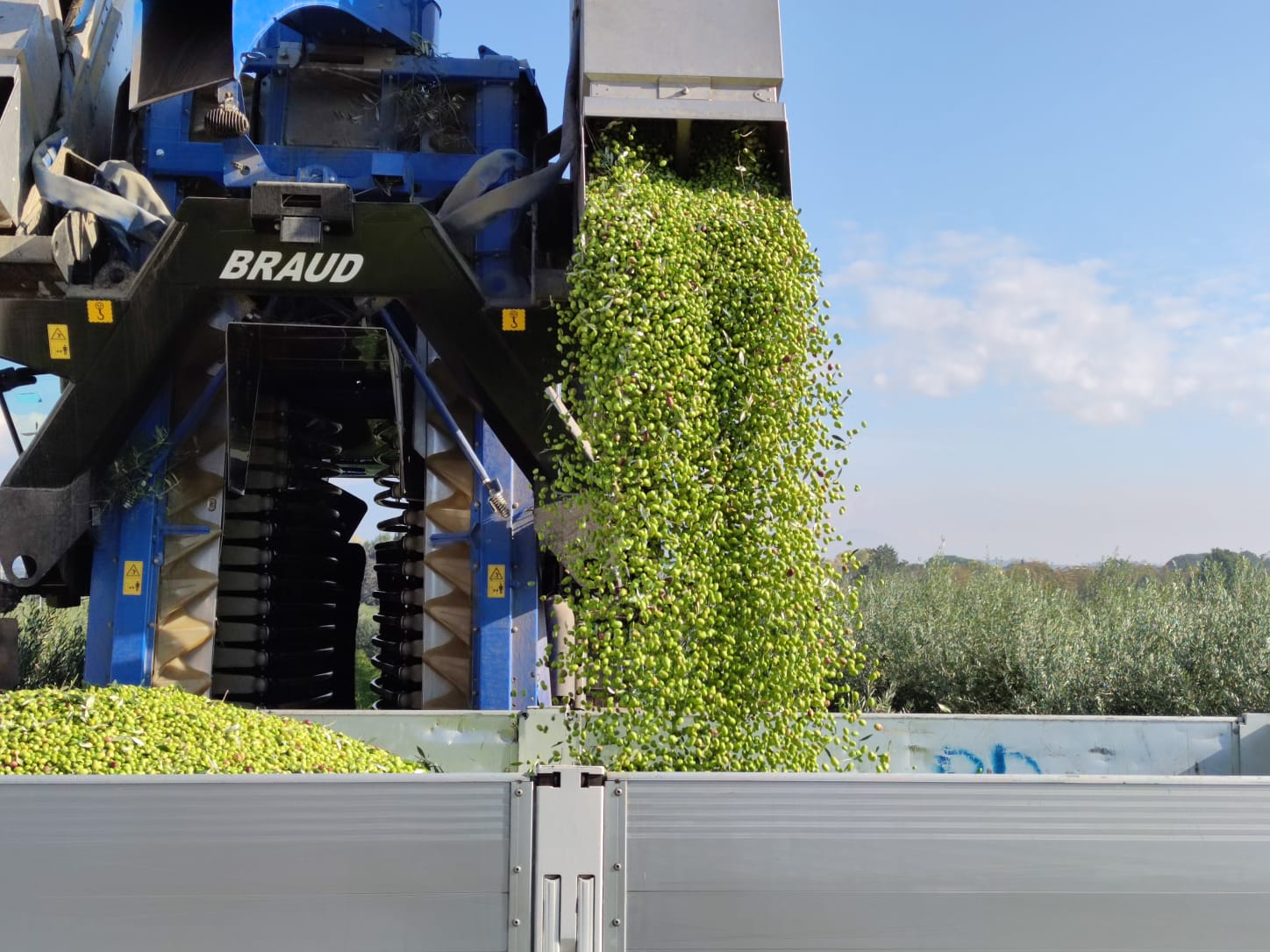
But this entails high production costs. The opportunity that science and research now offer is precisely to produce table olives in super‑high‑density orchards—therefore to harvest by machine olives that will then be cured and debittered.
To this, we must add the expertise of companies that handle the curing and debittering processes, which must be calibrated to the raw material coming from the field. As a result, a scenario opens up that is no longer the purview of agronomists alone but of food technologists as well.
Having Matteo Cinquina, a food technologist who, together with his partners, runs such an important company, at our side represents a formula we consider absolutely winning. We should expect exciting and interesting developments not only agronomically but also technologically, because having a table olive cultivar that can be produced at lower cost is a major success.
Dr. Matteo Cinquina, could you introduce your company and explain how you handle processing?
Ours is a family business founded in the 1950s that has always dealt with the processing and marketing of table olives. We were born from an idea by Grandfather Saverio who, together with a group of collaborators, went out to the fields to harvest olives and then brought them to the company’s central facility for processing. Today, in its fourth generation, Cinquina has grown and evolved significantly, investing in innovation and honing our focus on selecting the best raw materials.
We export to many international markets; besides Italy, we are present in Europe as well as the United States, Canada, and Australia, promoting the excellence of Made in Italy.
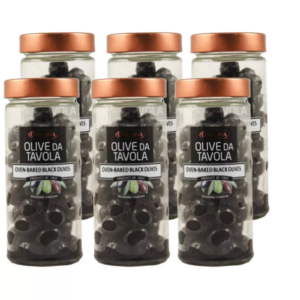
Processing and/or treatment activities essentially consist of receiving the raw material and then carrying out the following processes: debittering, curing, desalting, cooking, drying, and packaging. The various stages may or may not be included depending on the desired finished product. Packaging includes manual and semi‑automatic operations for preparation, weighing, pasteurization, sterilization, vacuum or modified‑atmosphere sealing, and preparation of packages and/or containers for the end market.
Are there specific requirements the market is asking for?
Today’s end consumer is certainly very demanding and attentive to what they buy—particularly the product’s quality. For us as a production company, it’s a point of pride to work on and deliver a high‑quality product.
Our mission is to use excellent Italian raw materials by purchasing directly from the best producers, especially in Southern Italy: Sicily, Apulia, Calabria, and Abruzzo.
Do olives need to have specific characteristics or meet particular parameters to be marketed?
There are essentially three parameters that must be met for table olives.
The first is product integrity. Unlike oil olives, table olives must be intact—free of defects and blemishes.
The second, depending on the intended use and consumption, concerns the size of the olive and the flesh‑to‑pit ratio. Cultivars with a larger caliber and a high percentage of flesh relative to the pit are certainly the most used for eating as is. Smaller ones, on the other hand, often play a starring role in foodservice.
The third fundamental factor for table olives is flavor. The olive must be crisp and have a harmonious, pleasant taste; it should not be bitter.
What processes do you use to cure and debitter the olives?
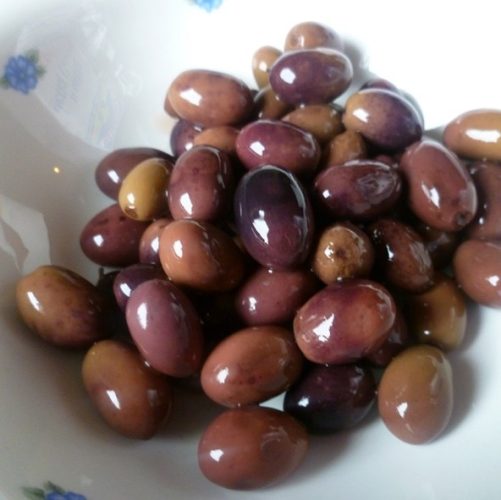
The most widely used methods in the processing industry are the “Sevillian,” the “Castelvetrano,” and the “natural‑style” methods. The choice depends on the type of olive coming in and the desired result. Based on the trials conducted in recent years, we have realized that for the “Elviana” cultivar—given its structural and organoleptic characteristics—the most suitable method is the natural‑style process. Specifically, the olives are allowed to ferment in a water‑and‑salt solution until debittering is complete.
Other methods involve using sodium hydroxide, washing, and brining to achieve a much faster debittering and thus ensure immediate consumption of the olives.
What experience have you gained so far with the “Elviana” cultivar, and what future scenarios do you see?
Demand for table olives is steadily growing, both domestically and internationally. Recent estimates point to a positive trend exceeding 30% annually. Unfortunately, production does not always manage to meet market needs. As Professor Camposeo mentioned, the lack of guarantees that quality product will be delivered in sufficient quantities is often a limiting factor.
From our experience, we’ve realized that the “Elviana” cultivar, grown with efficient new cultivation systems, could be a winning key to compensating for the shortages that frequently arise in certain market segments.
It’s been a few years now since we began processing and marketing this product, and I can say that its physical and organoleptic qualities are excellent, and market response is positive. Technically, it’s an olive harvested when black or nearing black; after curing, it is graded and packed according to the size of each individual olive. Yields of product suitable for sale are good and in line with the averages of other varieties we usually process.
On that note, given the technology applied to the cultivation model, I believe we can fairly easily make the cultivar even more efficient by ensuring greater uniformity in product caliber. This would simplify the work of the processing industry, increase yields of marketable product, and consequently raise the selling price for growers.
Very high‑density cultivation systems call for mechanical harvesting. Does this practice affect olive quality?
Since these olives are harvested when black or close to black, we don’t see particular issues even if harvesting is done by machine; they don’t show defects or marks that would devalue them economically. Of course, promptly treating the olives in water and salt prevents oxidation and preserves their integrity.
From a microbiological standpoint, there are no irregularities, and the packaged product keeps well through the end of its shelf life, which ranges from one to two years