
Genetics in Agriculture: The Vineyard of the Future
“New problems require new solutions. What has always been done—our grandparents’ traditional varieties and copper—will not solve the new problems.”
Agriculture in general, and viticulture in particular, are facing new challenges. Climate change has altered patterns of rainfall and temperature. This is already a problem for many grape varieties, but it will also modify the behavior of pests. Wine production zones will shift northward and southward. This will lead to the emergence of new wine‑producing regions in Scandinavian countries, in addition to the traditional ones. However, new pests will also arise, taking advantage of the new conditions.
To this concerning scenario we must add the fact that the European Union, through its “Farm to Fork” strategy, aims for 50% of EU farmland to be dedicated to organic farming by 2050 and to eliminate 50% of pesticides and fertilizers. This places viticulture in an extremely vulnerable position within the new agro‑climatic context. Virtually the only authorized method for fungal control is Bordeaux mixture, composed mainly of copper. This is a persistent chemical product and highly toxic to the beneficial microbiota living in vineyard soils.
Given this, it is worth examining what solutions genetic improvement may offer.
Classical Genetic Improvement
Classical breeding is based on selecting mutations that provide some advantage or on crossing different varieties or species that are compatible. The main limitation of this technique is that we are restricted to the genetic pool that exists within the species or compatible varieties. Another option is using more resistant, though lower‑quality, varieties as rootstocks onto which the desired grape varieties are grafted. Changes in varieties have played a major historical role, such as when the phylloxera epidemic of the late 19th century caused the vast majority of native Spanish vines to be abandoned and replaced with resistant ones.
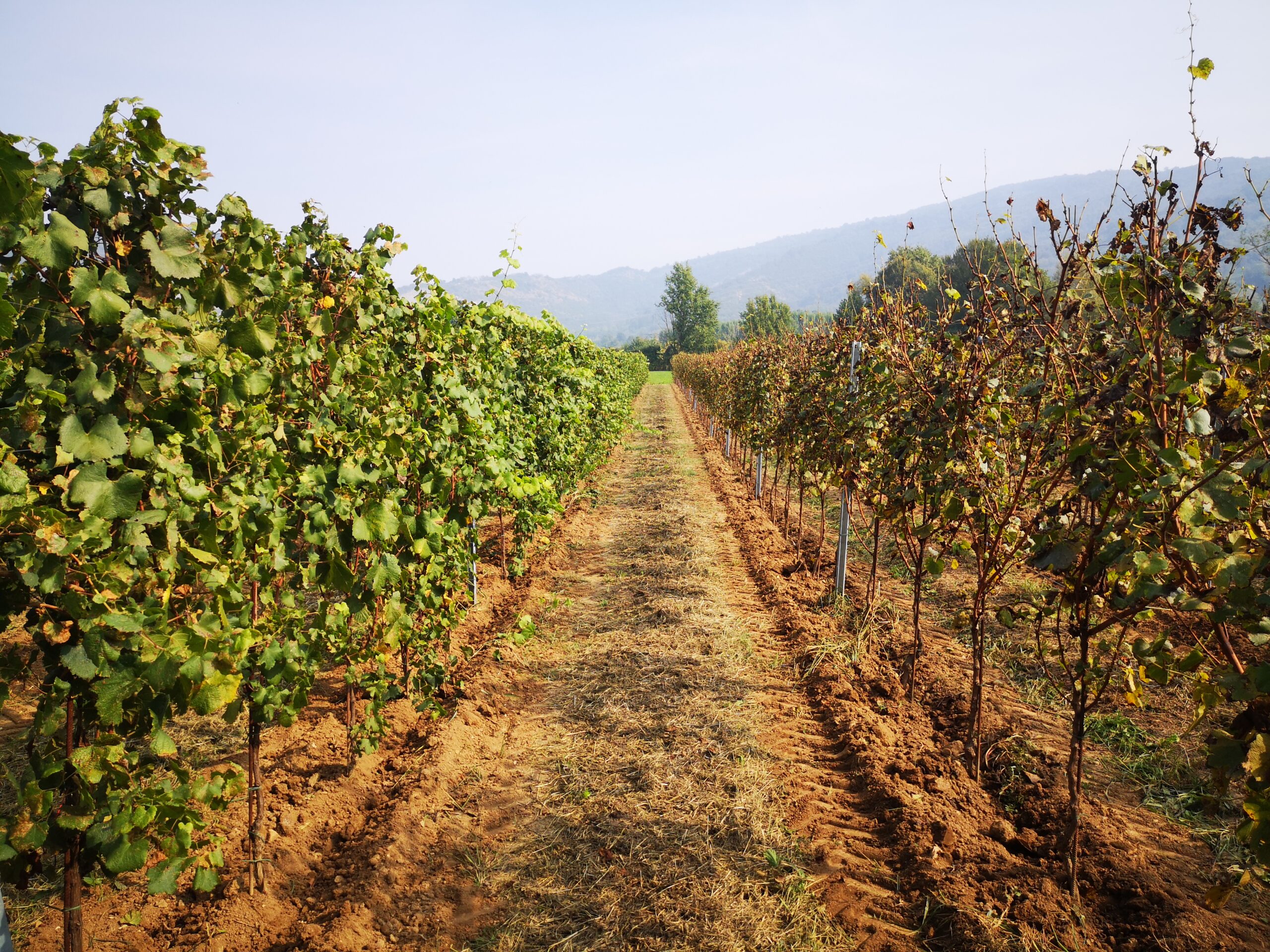
In this context, there has recently been much debate about PIWI grape varieties. These are hybrids resulting from crosses between Vitis vinifera (European grape) and other grape species, such as Vitis amurensis (Asian) or American varieties. The logic behind these hybridizations is to obtain resistance to fungal diseases such as powdery mildew and downy mildew.
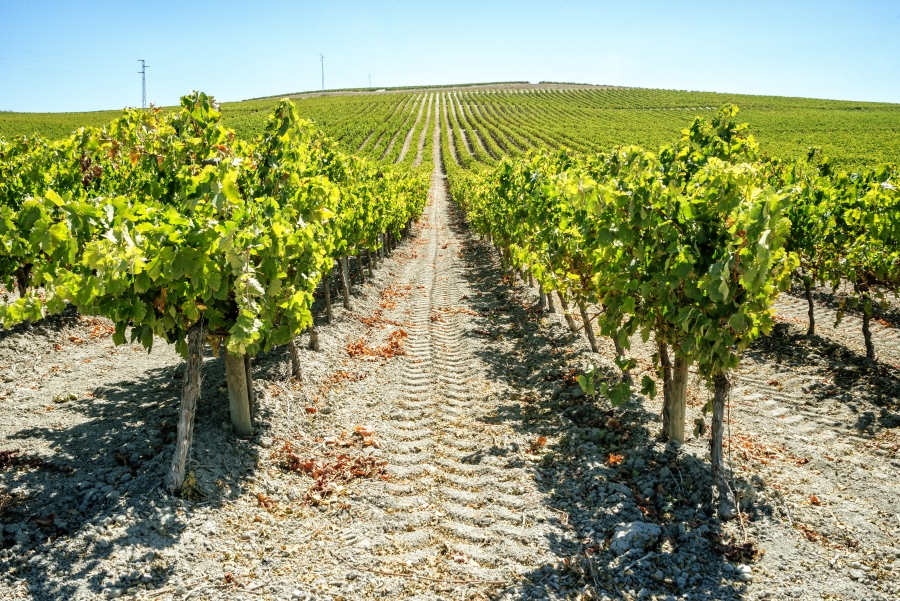
In fact, the word PIWI comes from the German Pilzwiderstandsfähig, meaning “fungus‑resistant.” Some PIWI varieties already in use include Solaris, Bronner, Johanniter, Souvignier gris, and Cabernet Cortis, among others. It is worth noting that because these varieties are produced through conventional breeding, they do not require any special authorization, and their path to market is fairly quick. There is currently strong debate in the sector about the use of these varieties, and there are even petitions calling for their prohibition. Their arguments are based on the idea that these vines would not come from Vitis vinifera but rather from crosses with other species.
My opinion is that necessity often makes virtue, and if pests continue to advance, any solution—regardless of species—will be welcome.
Transgenic Grapevines
The debate surrounding PIWI varieties echoes the one that existed a few years ago regarding transgenic grapevines. Transgenic technology consists of inserting a gene from another species using genetic engineering. It is worth noting that grafting also involves gene exchange, but in that case, although genes from two different varieties or species are mixed, the plants are not considered transgenic because no engineering techniques were used.
Varieties of transgenic grapevines resistant to various diseases and with improved traits were created. However, they never reached commercial use due to widespread rejection within the global industry. In France, several experimental fields were even attacked. Thus, this technology passed by the wine world almost entirely. It did, however, find use in certain yeasts and enzymes used for must treatment. The beer industry cannot say the same—several brands have used transgenic barley, corn, or wheat in brewing, and the use of transgenic yeasts is fairly common. A bacterium capable of fermenting beer wort was even developed.
Grapevines Edited with New Genomic Techniques
New genomic techniques refer to a set of methods that use molecular biology tools to make changes to the genome without introducing foreign DNA. Among these techniques, CRISPR (Clustered Regularly Interspaced Short Palindromic Repeats) stands out as a system that allows DNA to be modified with precision.
In Europe, we still lack a regulatory framework allowing the use of this technology, which is already regulated in many countries such as Japan, the United States, and Canada, as well as major wine‑producing countries like Argentina. There are already CRISPR‑modified foods on the market, including tomatoes, fish, canola, and pork.
As CRISPR research advances, applications in viticulture are likely to expand. There is already ongoing research on resistance to grapevine leafroll virus, and CRISPR‑edited grapevine varieties resistant to Botrytis and downy mildew have already been produced.
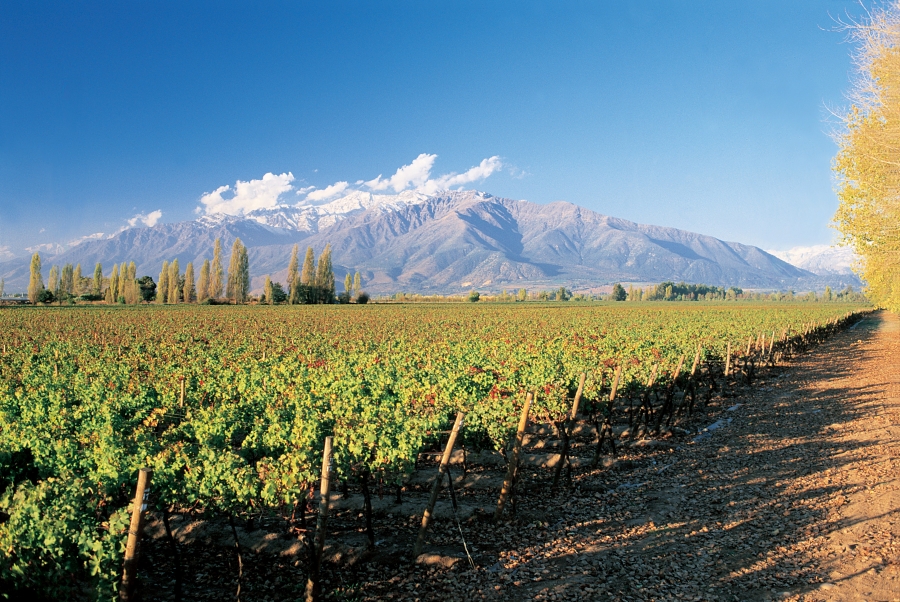
We must also keep in mind that pests and climate change are not the only challenges. Increasing competition and a more demanding market make distinctive traits in grapevines an urgent necessity. CRISPR also offers the possibility of directly improving grape quality, affecting characteristics such as sugar content, tartaric acid levels, and compounds responsible for flavor and aroma. By manipulating the genes controlling these factors, we can create new grape varieties that produce wines with more complex flavors, tailored to market preferences. The technology can also reduce undesirable substances in the must or fermentation process, such as methanol or sulfur‑ or nitrogen‑based molecules that cause off‑flavors. Scientific literature has already reported CRISPR‑edited grapevines that alter tartaric acid production, produce an albino phenotype, modify sugar content, and change branching patterns.
Probably, when the next pest threatens vineyards in the United States, Chile, South Africa, or Argentina, we will see new genetically edited resistant varieties planted as something completely normal. Will we refuse to do the same in Europe?
New problems require new solutions. What has always been done—our grandparents’ traditional varieties and copper—will not solve the new problems.