
Interview with Christian Cerezo, Head of the Agriculture Department at PepsiCo Iberia
In 2021, PepsiCo launched pep+, a strategy aimed at transforming the entire value chain with a sustainable and social approach.
1. How would you describe this roadmap, and what sets it apart from other corporate sustainability initiatives?
2. How important is Spain in the implementation of pep+, and what role do local farmers play in this transformation?
3. Since 2018, PepsiCo has ensured that 100% of its key crops in Spain are sustainably sourced. What does this milestone mean, and how is it guaranteed in practice?
4. You work with more than 200 farmers in regions such as Castilla y León, La Rioja, Aragón, and Extremadura. What kind of relationship do you maintain with them, and how do you ensure both economic and environmental benefits?
5. In Ávila, you manage a pilot farm where you test practices such as crop rotation, minimum tillage, organic fertilization, and flower strips. What specific learnings are coming from this project, and how are they transferred to farmers’ fields?
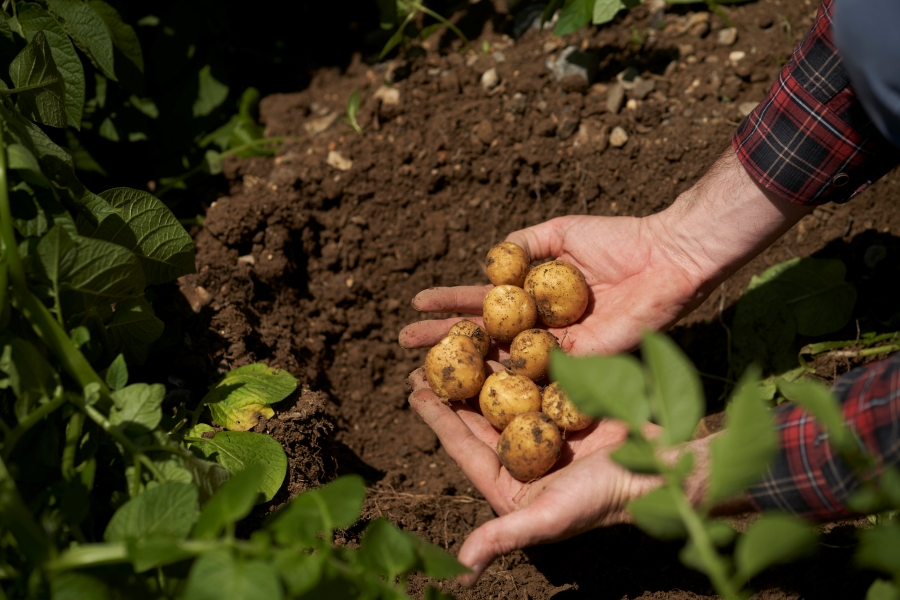
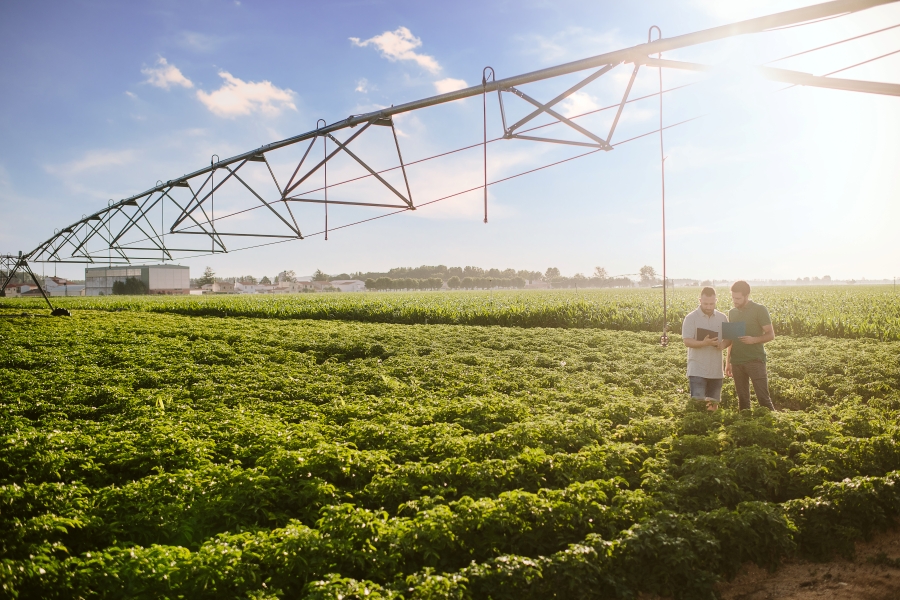
This project applies regenerative agriculture to improve soil fertility and ensure greater long-term crop profitability. We’re working with the Indycons cooperative under the leadership of its president, Guillermo Holgado, with the goal of identifying the best regenerative practices for potato cultivation and providing farmers with new technological tools to monitor their crops.
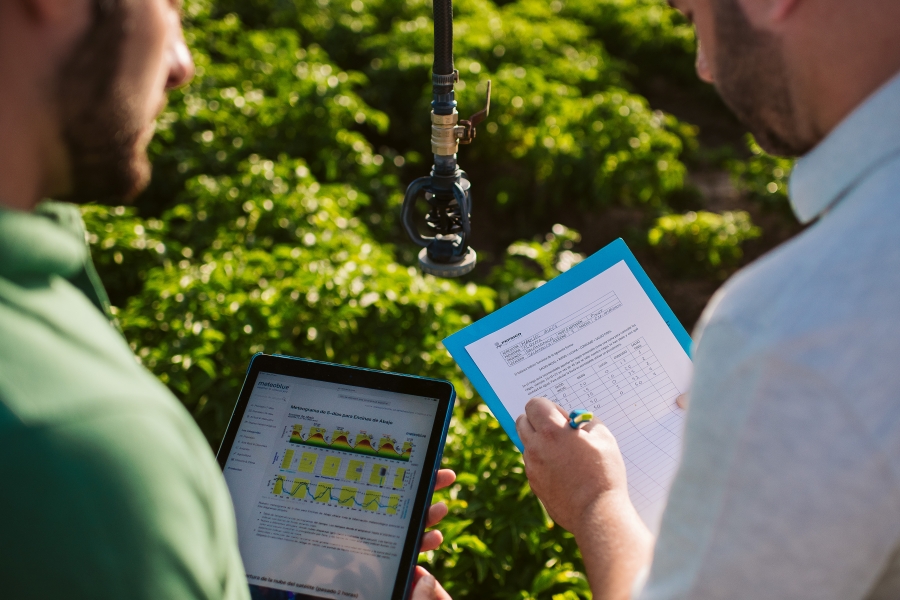
We’re now in the third year of a five-year implementation—right at the halfway point—and we’re already seeing very promising results. For example: we’ve controlled weeds by using cultivator passes between rows; applied 25 tons per hectare of cow manure to improve soil structure and provide essential nutrients, along with 3 tons of organic pellets; and we conduct constant digital monitoring of soil parameters to track its evolution at different stages and move toward full regeneration.
Once this pilot project is complete, we’ll share the best practices and tools with other crops looking to transition to regenerative agriculture.
6. Why have you decided to focus on regenerative agriculture? What advantages would you highlight?
7. Looking ahead to 2030 and 2050, what do you see as the most critical challenges for advancing this sustainability agenda?
Our challenges—and society’s—focus on achieving an effective transition to low-carbon, resilient, and inclusive development models. We must adapt to climate change impacts, protect biodiversity, and ensure responsible use of natural resources. That’s why we need to prioritize regenerative production models across all links in the value chain.
We’ve set very ambitious goals: achieving net-zero emissions by 2050 (across Scope 1, 2, and 3 emissions). To do this, we face structural challenges such as transforming the agricultural model, expanding regenerative practices, and providing all our partners with the necessary technological and digital tools—a process that requires investment, innovation, and ongoing support.
Additionally, sustainability cannot be separated from the social dimension of the local communities where we operate. In Spain, in particular, we face the challenge of rural depopulation, which we’re addressing through various programs in collaboration with our Foundation.
One of the biggest challenges for us as a company is ensuring that this system becomes self-sustaining. We’re seeing that, thanks to training and technical support, farmers are beginning to recognize the value of regenerative practices beyond direct financial incentives. This allows us to foster more genuine and lasting adoption, based on the real benefits these techniques bring to soil, crops, and long-term profitability.