
New Genetic Sources to Increase Resistance to Verticillium Wilt in Olive
R&D Department – Agromillora
Olive Verticillium wilt, caused by the soil-borne fungus Verticillium dahliae, is a vascular disease and one of the main concerns for olive growers across most production regions. Currently, there is no effective control method, and the most sustainable management alternatives rely on integrated control strategies, including the use of tolerant or resistant cultivars.
In this context, researchers from the University of Córdoba (UCO), in collaboration with Agromillora, evaluated the response to Verticillium wilt in a collection of 11 olive cultivars, including traditional varieties and new selections from various breeding programs and origins. This trial has made it possible to identify new genetic sources to enhance the resistance/tolerance of olive orchards.
MATERIALS AND METHODS
This trial evaluated 11 different cultivars: four traditional Spanish or Italian varieties (Arbequina, Arbosana, Picual, Frantoio), one cultivar from the UCO breeding program (Sikitita), and six cultivars from Agromillora’s breeding programs (Oliana), the University of Bari (Coriana, Elviana), and the University of Florence (Florentia, Brunella, ILITIA).
Picual was considered the susceptible reference and Frantoio the resistant reference.
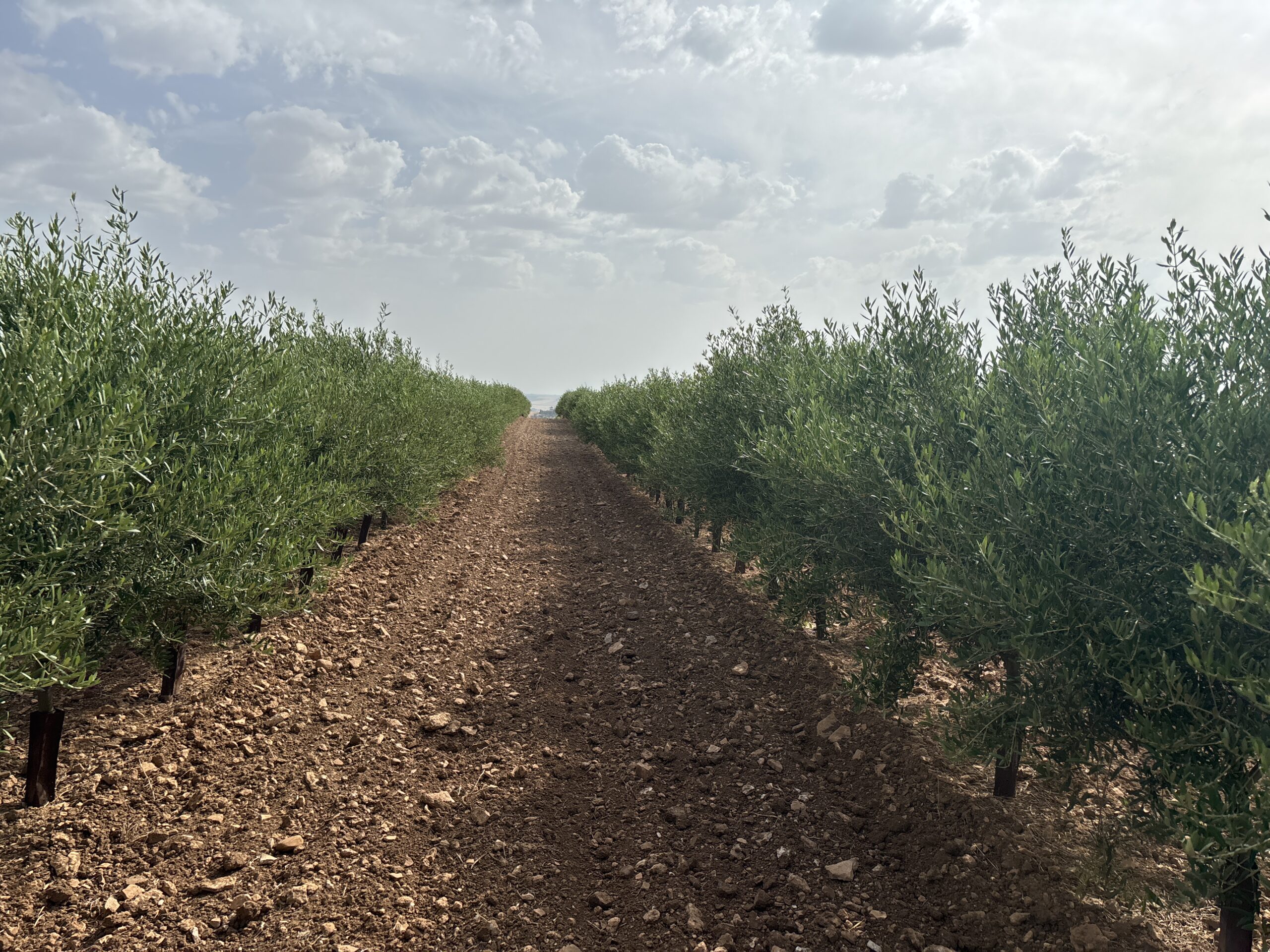
The evaluation was conducted in field-grown trees exposed to the pathogen in naturally infested soils over a period of three years. Plantings were established in 2021 following a randomized block design, with three locations (replicates): two in Jaén province and one in Seville. To date, the most conclusive results come from the Villanueva de la Reina (Jaén) site, where inoculum levels are higher and climatic conditions have been favorable for fungal development.
Monitoring was carried out over two consecutive years. Symptoms were evaluated several times during the period of highest disease incidence, coinciding with the peak vegetative growth of the trees. The evaluated parameters were: severity (0–4 scale), incidence percentage, and mortality percentage. These data allowed for classification of the cultivars according to their resistance level.
RESULTS AND CONCLUSIONS
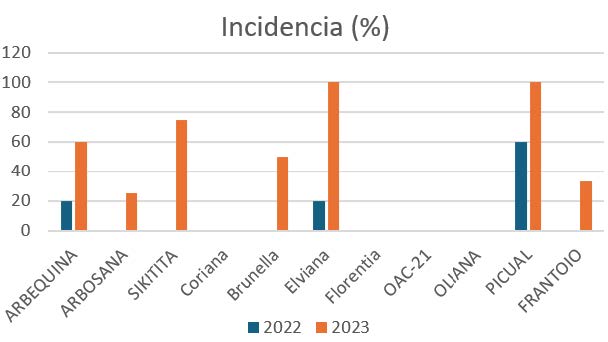
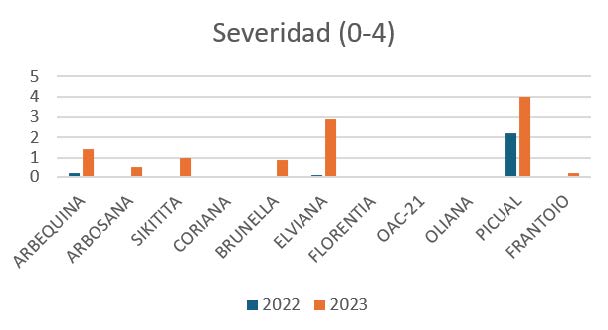
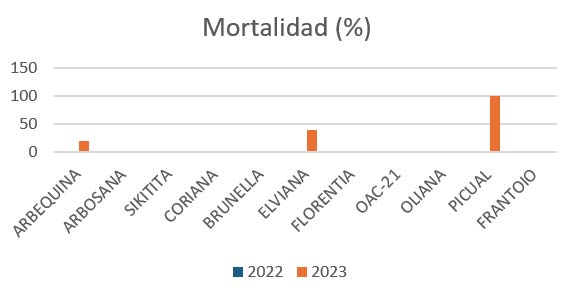
Below are the results from the Villanueva de la Reina (Jaén) site. The data show that symptoms increased from 2022 to 2023 across all affected varieties.
The most resistant cultivars—those that coexisted with Verticillium in the soil without showing any disease symptoms—were Coriana, Brunella, OAC-21, and Oliana. The cultivar ‘Frantoio’ exhibited very low incidence, very mild symptoms, and zero mortality.
Cultivars with moderate–high incidence included Elviana, Arbequina, and Sikitita, with the latter showing symptoms but no mortality.
The most sensitive cultivar was ‘Picual’, which in 2023 reached maximum severity values and showed 100% incidence and mortality.