
Spanish Olive Oil Interprofessional: The Tool This Sector Needed
“In just four decades, we have witnessed how olive groves and their cultivation have taken an unprecedented leap, making the Spanish sector the most efficient, productive, and sustainable in the world.”
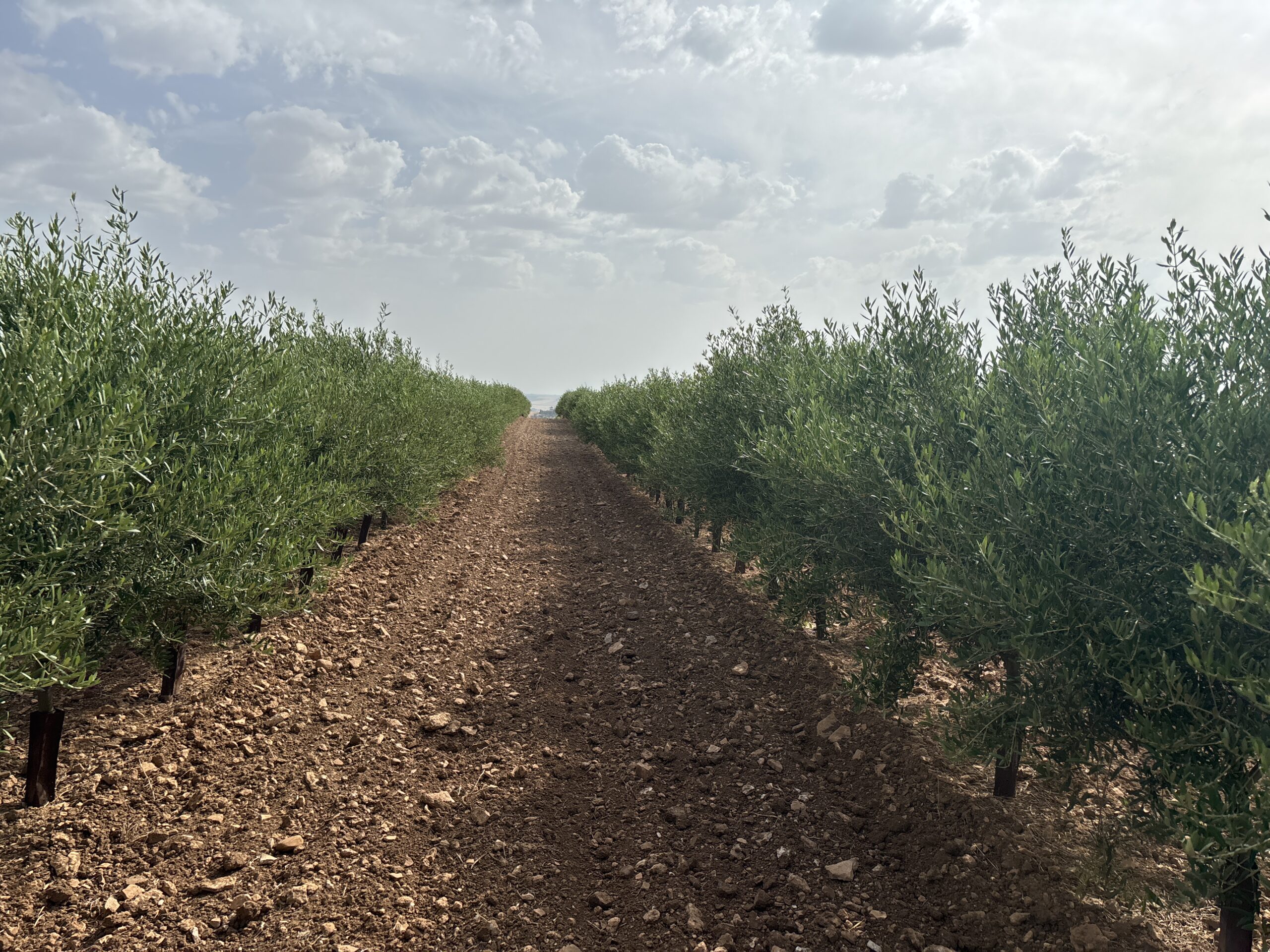
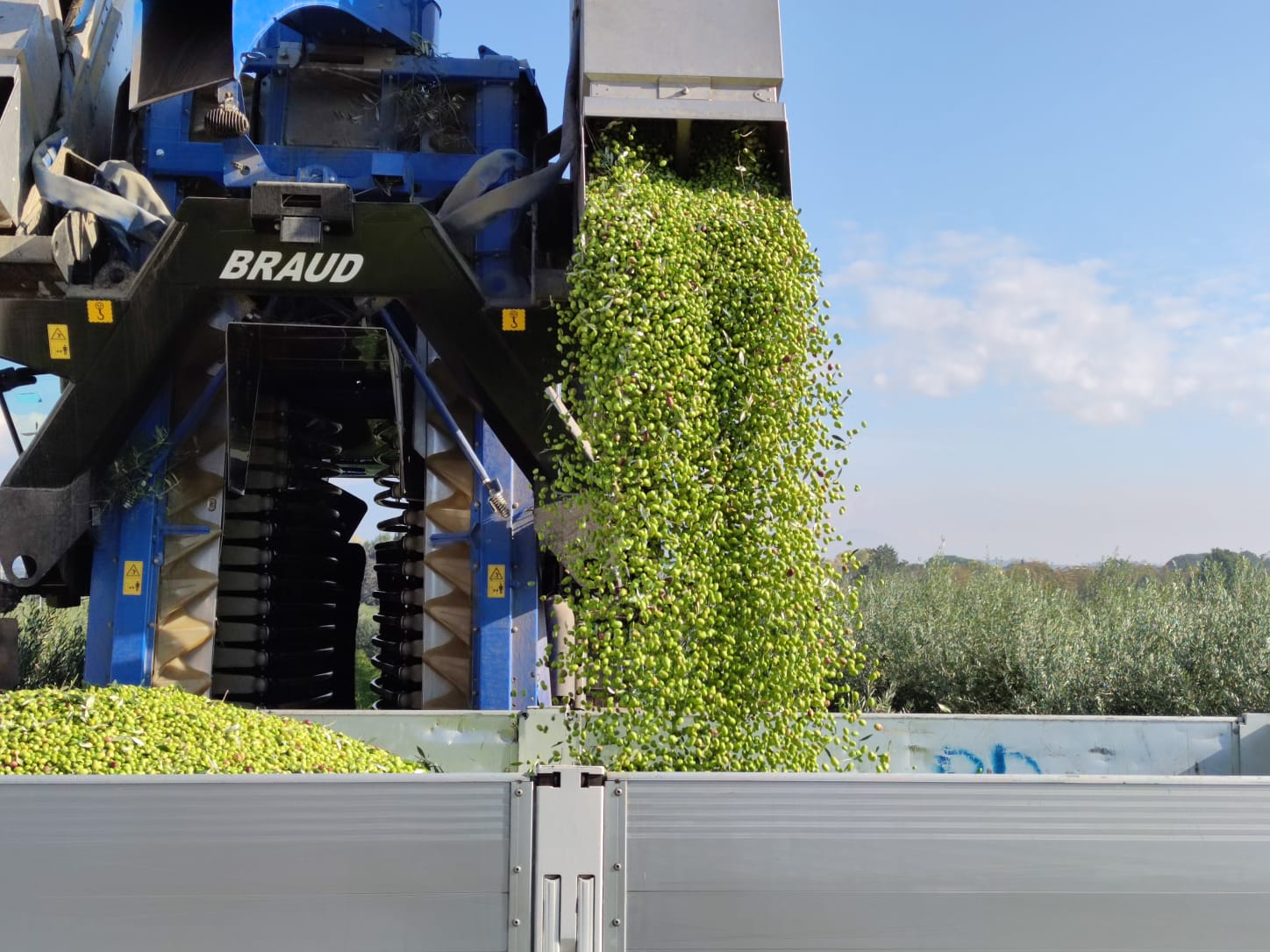
Few sectors of our economy have undergone such a profound transformation—both in substance and in form—as that of olive oil in Spain. In just four decades, we have seen olive groves and their cultivation take an unprecedented leap, making the Spanish sector the most efficient, productive, and sustainable in the world. In fact, during this period, we have become the global technological benchmark in areas such as new cultivation techniques, varietal management, ultra-efficient irrigation, and, of course, harvesting and olive processing practices that ensure maximum quality.
This revolution began to bear its first fruits at the end of the last century, when production skyrocketed to exceed one million tons. At that moment, the sector realized that olive groves and the industry were only the first step in a much larger transformation already underway. We also became aware that the ways we had been selling this product until then were no longer enough. Out of that need, less than a quarter century ago, the Spanish Olive Oil Interprofessional was born. It emerged driven by what was already becoming clear as the great challenge ahead: selling more—but above all, selling better—the growing volumes of olive oil that were expected in the new millennium.
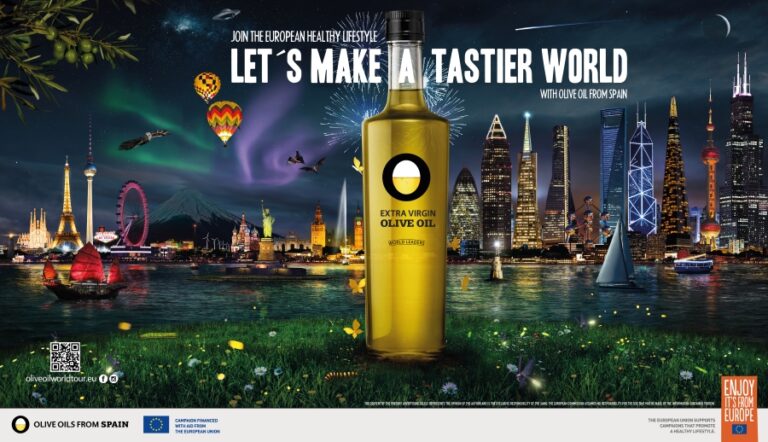
And the results speak for themselves. At the beginning of the century, exports had stabilized at around 600,000 tons. One of the milestones achieved in recent years has been surpassing 1.1 million tons sold abroad. But it wasn’t just about increasing raw demand—it was also about improving the position of our oils on store shelves, as lack of visibility had long been one of our major weaknesses. To address this, we created a strong umbrella brand on which to build our product–country image worldwide. Thus, in 2013, “Olive Oils of Spain” was born. Under this name, we highlight our origin, tied to maximum quality, food safety, well-being, and sustainability.
But the Organization’s promotional activity doesn’t end in foreign markets. Spain remains the primary consumer of our oils and the closest one, which is why we pay it special attention—especially now, as we see the domestic market weakening, just as it is in other major European olive oil–producing countries. A recent report from the European Commission estimates that in Spain, as well as in Italy and Greece, olive oil consumption will decline by 2–3% annually through 2035. This trend reflects the changing consumption patterns of younger generations.
This was the first challenge the newly created Organization took on: developing promotional campaigns to stimulate demand in countries that, until recently, knew nothing about this “liquid gold.” The Interprofessional launched its first initiatives during the 2008–2009 olive campaign. Since then, we have worked in 33 countries across five continents. In 13 markets, we carried out targeted actions, such as in Italy or Singapore. In another 10 markets, we implemented promotional campaigns, including India, Indonesia, and Russia. But our greatest efforts have focused on 10 priority countries for the sector: the United States, Mexico, Brazil, France, the United Kingdom, Germany, Belgium, the Netherlands, China, and Japan.
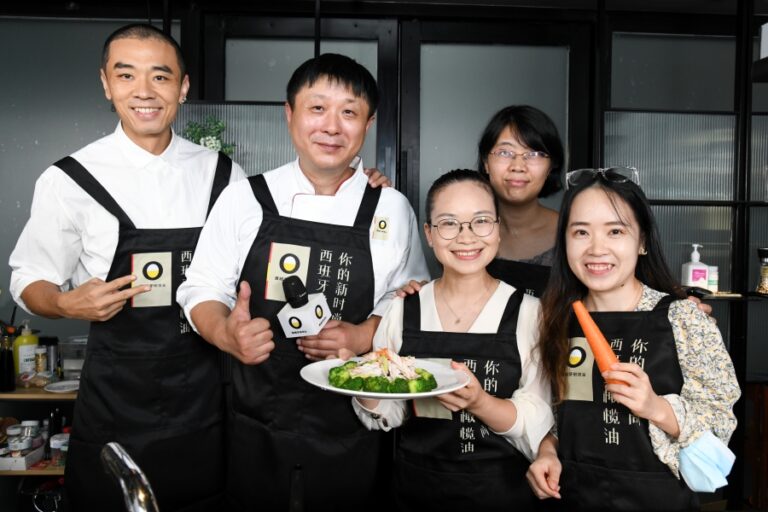
This was the first challenge the newly created Organization took on: developing promotional campaigns to stimulate demand in countries that, until recently, knew nothing about this “liquid gold.” The Interprofessional launched its first initiatives during the 2008–2009 olive campaign. Since then, we have worked in 33 countries across five continents. In 13 markets, we carried out targeted actions, such as in Italy or Singapore. In another 10 markets, we implemented promotional campaigns, including India, Indonesia, and Russia. But our greatest efforts have focused on 10 priority countries for the sector: the United States, Mexico, Brazil, France, the United Kingdom, Germany, Belgium, the Netherlands, China, and Japan.
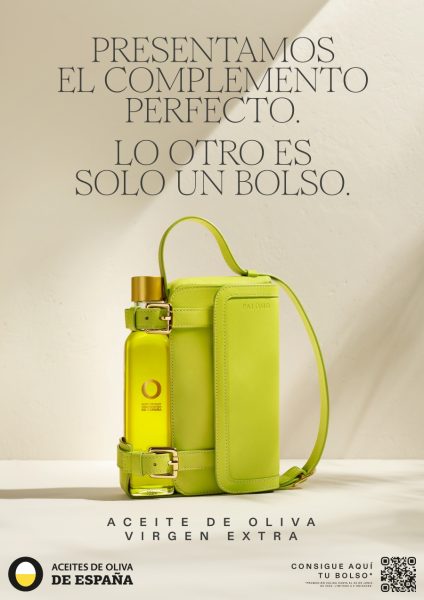
In fact, in our country, according to the 2024 Household Consumption Panel from the Ministry of Agriculture, Fisheries, and Food, 77.8% of those responsible for purchasing extra virgin olive oil are over 50, even though they represent only 60% of the Spanish population. Those over 65 are the biggest consumers, with a per capita intake of four liters per year. This reality led to the promotional campaign we launched earlier this summer, “The Perfect Accessory,” aimed at reaching a younger audience. The campaign centered around a bottle of EVOO seamlessly integrated into a yellow-green capsule handbag, featuring icons of Generations Z and Y such as the Cordoban designer Palomo Spain and singer Aitana.