
The first phase of the new citrus rootstock project comes to an end
The consortium formed byAgromillora and IFAPA has completed the first phase of the project aimed at evaluating new citrus rootstocks with greater tolerance to HLB, climate change, and the main stresses affecting Mediterranean citrus production.
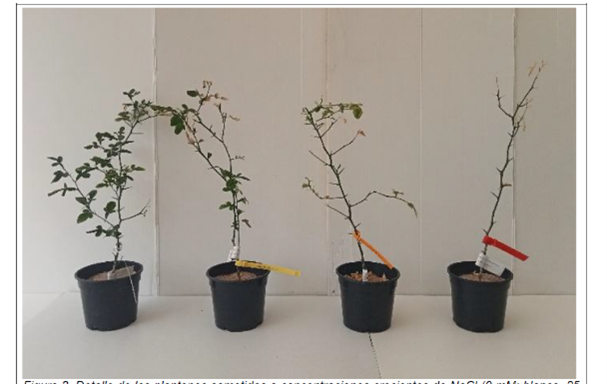
During this stage, greenhouse and field trials were carried out, providing an overall view of how the rootstocks respond to salinity, water deficit, boron toxicity, and soil‑borne diseases. These initial results show differentiated physiological and agronomic responses, confirming the need to continue evaluating their performance once grafted and under real production conditions.
The progress achieved provides valuable information for genetic improvement and for the citrus sector, offering data that will help select more resilient plant material. In addition, the technical foundation needed to advance in vitro propagation and the future commercial viability of the rootstocks has been strengthened, even though the importation of new material could not be completed due to European phytosanitary restrictions.
This first phase highlights that the rootstocks show diverse and consistent behaviors in response to the stresses evaluated, and that some materials exhibit good preliminary agronomic adaptation. However, it will be necessary to complete long‑term evaluations of productivity and compatibility to determine their real potential in different planting systems.
With these results, the project now enters its second evaluation phase, in which agronomic studies will be expanded to additional rootstocks and the information required for future transfer to the European citrus sector will continue to be consolidated.
This news is part of project CPP2022‑009916, funded by MCIN/AEI/10.13039/501100011033 and by the European Union–NextGenerationEU/PRTR.