
The New Path for Vineyards: Transitioning to Profitable, High-Density Crops
The wine industry is undergoing a profound transformation. Global wine consumption continues to decline, driving production to historic lows and resulting in a tighter supply. In Chile, thousands of hectares are being converted to profitable crops such as hazelnuts, prunes, and almonds, where high-density planting systems and mechanization offer the most attractive production model.
The assessment of growers and industry experts worldwide is clear. According to the International Organisation of Vine and Wine (OIV), global wine production reached approximately 226 million hectoliters in 2024, the lowest level in 60 years. This is not a temporary trend; rather, structural factors are driving the decline. Climate change, including droughts, late frosts, and extreme weather events, is affecting vineyards in both hemispheres. Another key factor is falling consumption: in 2024, global wine consumption dropped to 214 million hectoliters, its lowest level since 1961. A further explanation lies in generational change, as younger consumers are drinking less alcohol and increasingly choosing healthier alternatives.
These structural shifts are leading to production losses and forcing wine producers to reinvent themselves to remain competitive and cover their costs. Viña Ravanal has been pursuing this transformation for at least 20 years, anticipating what they consider a cyclical phenomenon.
“The wine industry has always experienced these ups and downs. We diversified many years ago because my father lived through several crises, and we could not depend on a single activity. Agriculture allows for diversification, but it all depends on the characteristics of the soil, the climate, and the type of crop you want to grow. We focus on pears and D’Agen plums exclusively for drying,” says Mario Ravanal, General Manager of Viña Ravanal.

Chile is no exception to this decline in wine production. On the contrary, it represents one of the most significant examples of crop conversion in Latin America. In 2025, wine production fell to 8.3 million hectoliters (838,611,235 liters), the lowest figure since 2006 and 10% below the previous year. Of this total, 691,716,862 liters corresponded to wines with denomination of origin status, representing 82.5% of total declared production.
These structural shifts are leading to production losses and forcing wine producers to reinvent themselves to remain competitive and cover their costs. Viña Ravanal has been pursuing this transformation for at least 20 years, anticipating what they consider a cyclical phenomenon.
A Changing Market: Greater Efficiency and Technological Adoption
The Chilean wine industry faces a challenging environment, primarily due to declining consumption and weakening global demand, both of which have placed downward pressure on prices. Reduced consumer interest, combined with overproduction in previous years, has created a difficult scenario in which the market absorbs less volume while demanding greater value-added products.
Although Chile remains a leading producer by volume, it continues to lag in terms of average value and price. This demonstrates that consumption is not only declining but also shifting toward higher-quality products. As a result, the industry is being forced to rethink its strategy by focusing on quality improvements, strengthening origin identity, and advancing toward more technologically driven production systems.
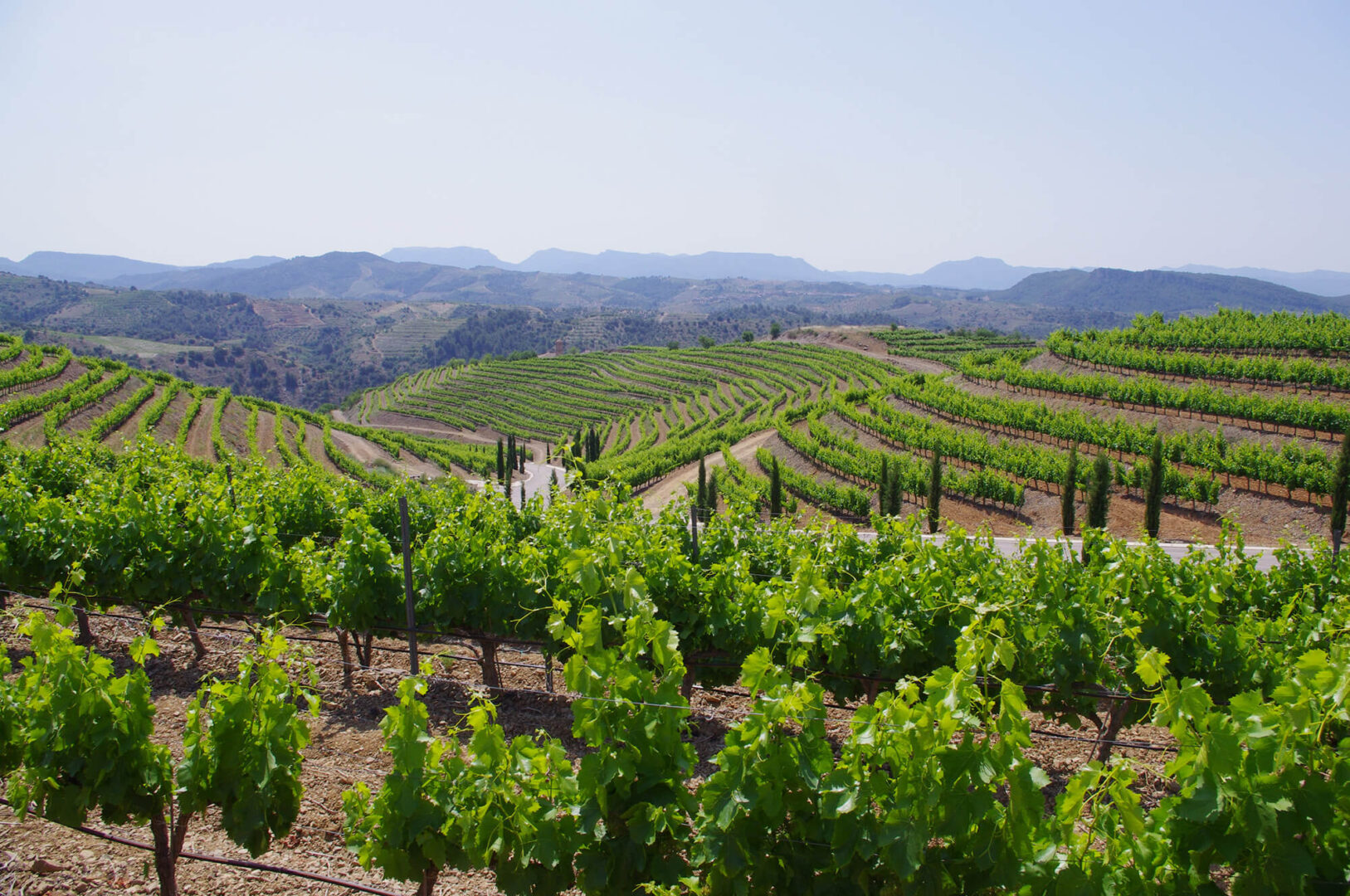
In this context, nurseries are playing an increasingly important role in driving technological innovation. Agromillora, for example, is promoting a range of solutions aimed at improving vineyard efficiency through genetic innovation, advanced planting systems, and technologies that enable greater automation and water savings.
“In Europe, new rootstocks and resistant varieties developed together with Vivai Cooperativi Rauscedo (VCR) are standing out. These materials are focused on tolerance to diseases such as downy mildew and powdery mildew, greater resilience, and adaptability to water-stress conditions, which reduces losses and lowers the use of plant protection products,” explains Jorge Rodríguez, Commercial Manager of Agromillora Sur.
Claudio Morales, a consultant with extensive experience in vineyards, highlights how viticulture has evolved over the past three decades.
“Thirty years ago, varieties were selected from vineyards based on certain characteristics, but they did not have specific rootstocks. Growers simply selected the best vines within a block, what we called mass selection. Today, however, agriculture is far more precise, relying on cloned grapevines that are primarily resistant to phylloxera and nematodes. The rootstocks produced by nurseries each have distinct characteristics, including varying levels of vigor and climate resilience.”
He adds: “We now have powerful genetic tools and effective management practices. Vineyard structures are being designed for mechanized harvesting, with smaller work crews and systems capable of supporting these clones, which can produce between 28 and 30 tonnes per hectare. This represents a major step forward for high-production mechanization. The traditional overhead trellis system has virtually disappeared.”
The Transition: From Wine to Tree Nuts and Other Crops
The conversion of vineyards into alternative crops—particularly almonds, drying plums, and olives—is now a highly viable option and is already taking place on a large scale throughout Chile.
In recent years, Chile’s vineyard area has fallen from 145,000 hectares to approximately 116,000 hectares. A significant portion of this reduction has been converted to fruit crops offering stronger economic returns, including olives, almonds, plums, and European hazelnuts, where revenues per hectare significantly exceed those generated by wine production in mass-market segments.
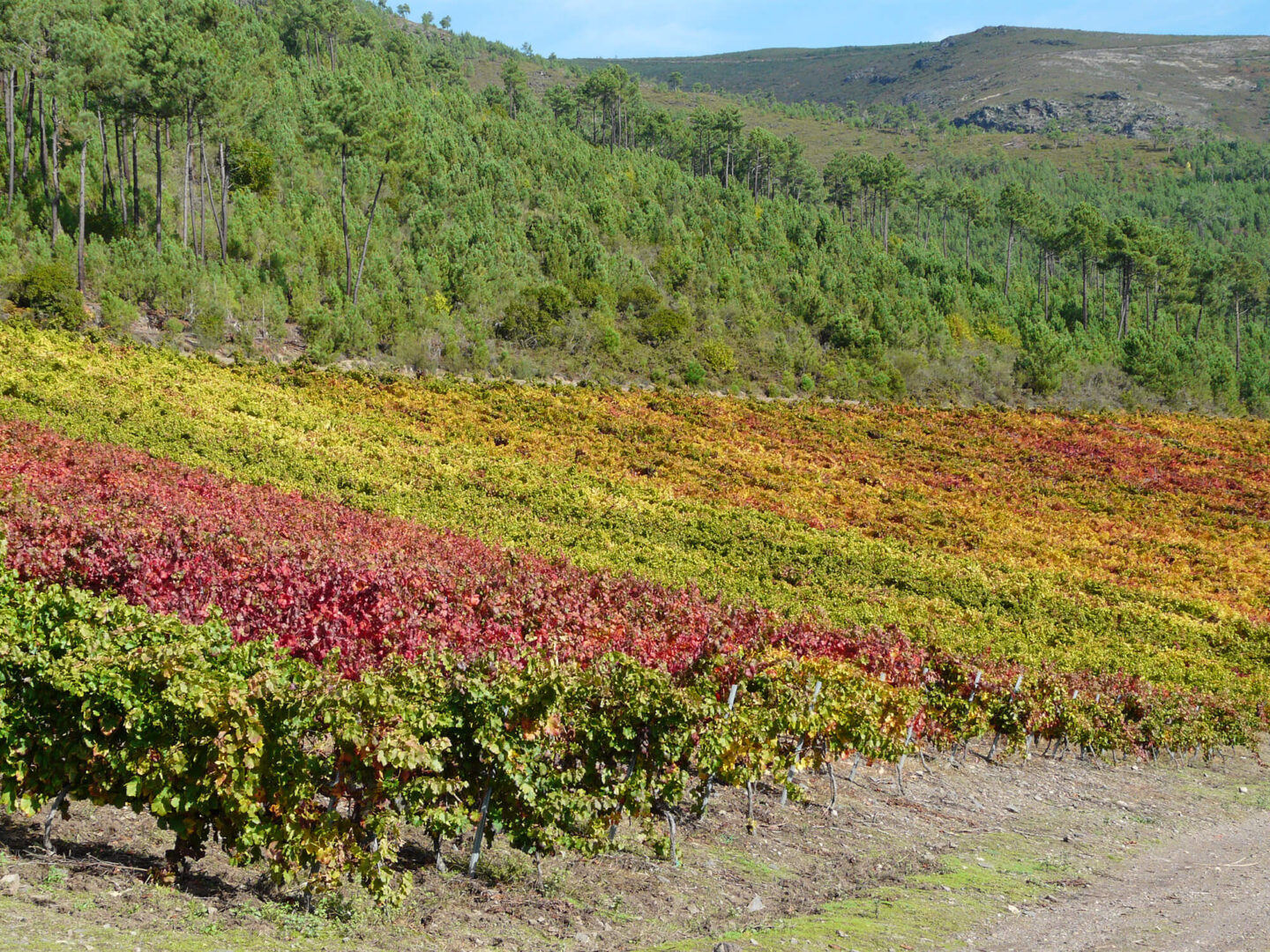
“There are two opposing trends that I find particularly interesting. The first is the growth of healthy eating. Hazelnuts have long been used in confectionery and sweet products, while almonds are also processed into oil and flour. Consumer habits are changing, and this has gone hand in hand with increased planting of these crops. The second trend is declining alcohol consumption, especially among younger generations. The wine crisis is global. Markets are no longer the same, and it no longer matters whether the wine is ultra-premium. We are seeing lower consumption everywhere, and vineyards are being removed not only in Chile but also in iconic wine-producing countries such as France and Spain,” says Claudio Morales.
This trend is also evident among medium-sized and small-scale producers. Faced with grape prices that often fall below production costs, many have chosen to sell their land or replace vineyards with fruit orchards.
“In Chile and around the world, wine is no longer the central focus of agriculture but rather part of a productive system in transition. In that transition, almonds, walnuts, dried plums, olives, and other crops are becoming increasingly important. Conversion is both technically and economically feasible, particularly when growers select crops that support mechanization, high-density planting, and improved water-use efficiency. For many producers, it is not only viable—it is essential for securing long-term profitability,” explains Jorge Rodríguez of Agromillora Sur.
When asked what advice he would give to wineries considering a change in production, Mario Ravanal emphasizes diversification.
“Diversification is a good strategy, just as it is in any business activity. Investment funds diversify their portfolios, and farmers can distribute their risks in the same way. High-density planting and mechanization are also trends that will continue to grow. They improve profitability per square meter, the results are positive, and they offer real potential.”
He remains optimistic about the future of wine production:
“At some point, I believe the situation will turn around. This is not the first time wineries have gone through a crisis like this.”
For Ravanal, nurseries play a crucial role in supporting producers.
“They supply us with plants, whether for vineyard replanting or fruit orchards. They understand orchard management and have extensive expertise regarding each crop. They advise us on what to do and which products to apply. Last year, we planted seven hectares of D’Agen plums, and whatever we plant in the future will also be done under high-density systems.”